The therapeutic relationship begins before a patient speaks.
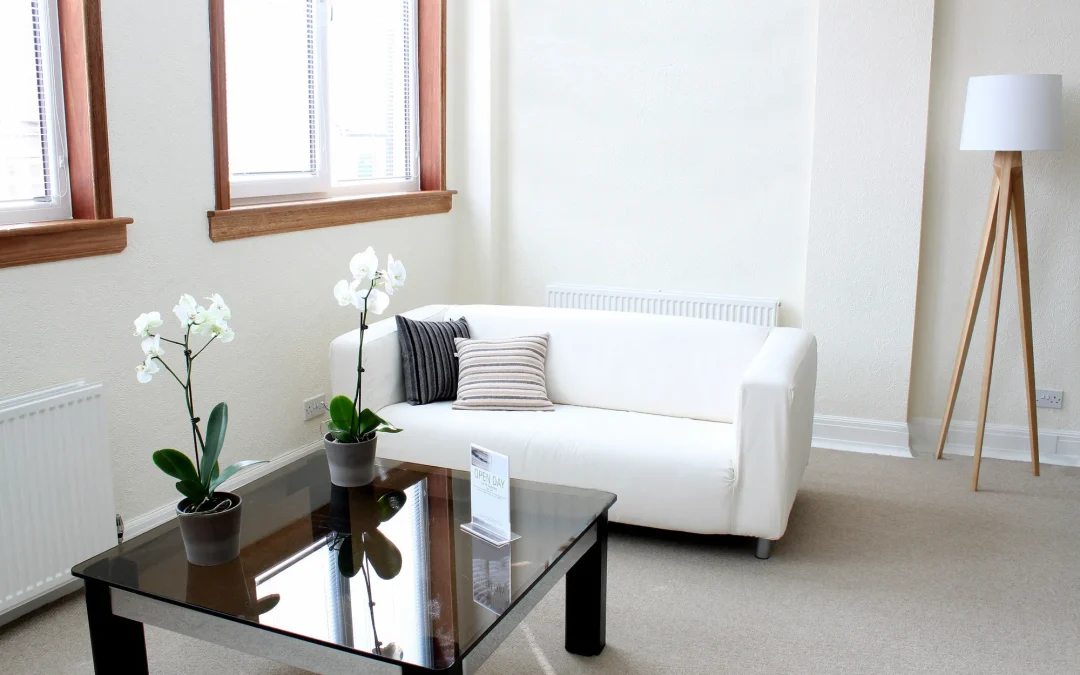
From the moment they arrive, they notice the room around them. They notice the light, the silence, the level of privacy, and the way the space feels. As a result, the consulting environment shapes the consultation from the very start.
In private practice, clinical skill remains central. However, the room also plays an important role. A calm, balanced space can help a patient feel safe, settled, and respected. In turn, that sense of ease can support trust and open conversation.
For clinicians, this matters deeply. The setting does not replace expertise. Yet it can support the quality of the interaction. When a room feels composed and considered, it helps both clinician and patient focus on what matters most.
Why the therapeutic relationship is shaped by space
The therapeutic relationship depends on trust, consistency, and emotional safety. Therefore, the physical setting should support those qualities.
Patients often respond to a room before they analyse it. If the space feels harsh, cramped, or exposed, they may hold back. By contrast, when a consulting room feels calm and private, patients often find it easier to settle.
This is especially important in sensitive consultations. In psychology, psychiatry, private GP practice, and other confidential fields, the environment can influence how comfortable a patient feels. Consequently, space becomes part of the clinical experience.
How patients read a consulting room before conversation begins
Patients read the room quickly. They notice whether it feels quiet, balanced, and professional. They also notice whether it feels warm without losing its clinical clarity.
These details may seem small. However, they can shape first impressions in powerful ways. A considered room can communicate care, order, and discretion before the consultation begins.
Why trust grows more easily in a calm setting
Trust rarely appears at once. Instead, it builds through many small signals. The room is one of those signals.
A well-balanced consulting room can reduce distraction and soften tension. As a result, patients may feel more able to speak openly. That quiet confidence can help the therapeutic relationship grow in a natural and steady way.
What spatial balance means in a private consulting room
Spatial balance means that a room feels settled, clear, and in proportion. Nothing feels excessive. Nothing feels neglected. Instead, the space supports the consultation with quiet order.
In a private consulting room, spatial balance often includes layout, privacy, lighting, comfort, and visual calm. Together, these elements create an environment that feels both professional and reassuring.
This is not simply a design question. Rather, it is a clinical one as well. A room with spatial balance helps the consultation feel focused, respectful, and composed.
The role of layout, light, and privacy in spatial balance
Layout affects how a room functions. Light affects how a room feels. Privacy affects how safe a patient feels within it.
When these elements work together, the room feels balanced. It does not distract from the consultation. Instead, it supports presence, attention, and calm. That is why spatial balance matters so much in private practice.
How spatial balance supports patient trust
Patient trust grows more easily in an environment that feels safe and considered. Therefore, a calm consulting room can support the therapeutic relationship in very practical ways.
A balanced room helps patients feel that care has been taken. It suggests professionalism, discretion, and respect. In turn, that impression can strengthen confidence in the clinician and the consultation itself.
For clinicians, the benefit is equally important. A composed environment supports attentive listening and clear communication. It also reflects standards of care in a subtle but meaningful way.
How a calm consulting environment supports patient confidence
Patients do not separate care from context as neatly as clinicians sometimes do. Instead, they experience the consultation as a whole.
If the environment feels calm, private, and well judged, confidence often grows more naturally. Moreover, the room can help reduce unease during early conversations. That makes it easier to establish trust from the beginning.
Why clinicians choose a Harley Street consulting room
A Harley Street consulting room offers more than a respected address. It also offers a setting that reflects professional standards and supports patient confidence.
For many clinicians, that matters. Patients often associate Harley Street with discretion, expertise, and high standards of private care. Therefore, the environment must meet those expectations with quiet assurance.
At The Harley Street Consulting Rooms, proportion, privacy, and calm design shape the experience of the space. The result is an environment that feels elegant, composed, and deeply professional.
Why setting and reputation work together in private practice
Reputation does not rest on credentials alone. It also lives in the details of the patient experience.
The consulting room forms part of that experience. When the environment reflects care and discernment, it strengthens the clinician’s presence. It also reassures patients that they are in the right place.
The therapeutic relationship, environment, and private practice excellence
The therapeutic relationship depends on human connection. Yet the consulting environment can help that connection begin more easily and develop more fully.
Spatial balance, privacy, and calm design do not stand apart from care. On the contrary, they support it. They help create the conditions for trust, reflection, and professional focus.
In the finest private practice settings, space is never incidental. It shapes how patients feel, how consultations unfold, and how care is understood. For that reason, the room itself becomes part of the therapeutic relationship.
For clinicians who seek a consulting space that reflects their standards and their patients’ trust, contact us for an appointment to view The Harley Street Consulting Rooms.