
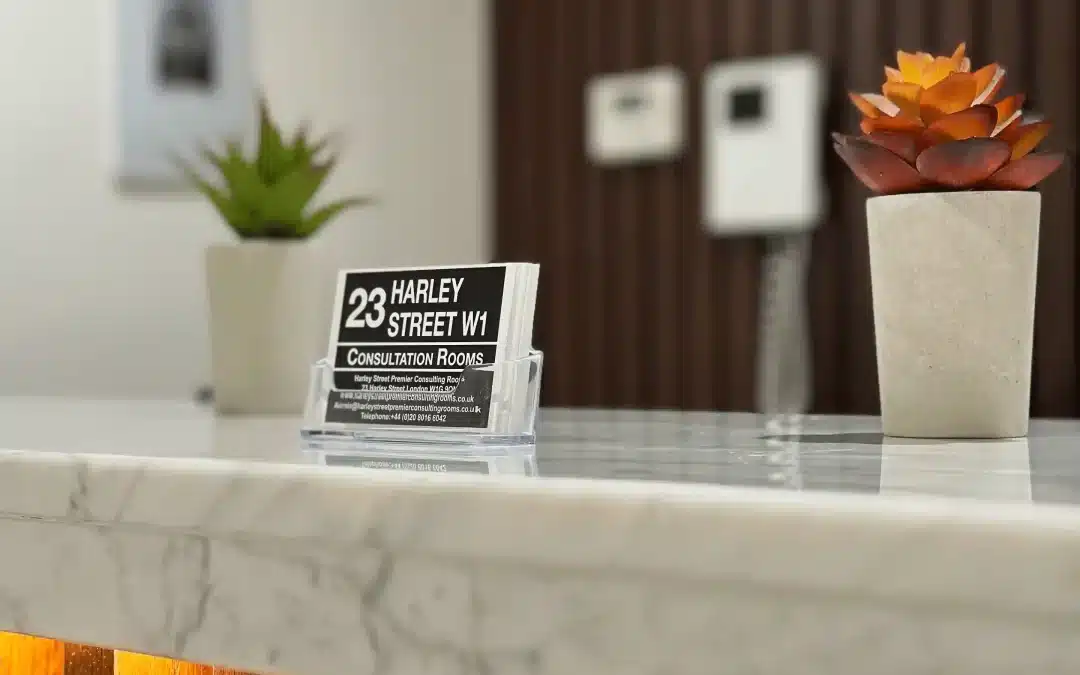
Patient experience starts before the consultation begins.
Patients notice the room as soon as they arrive. They notice the light, the silence, the welcome, and the sense of order. Because of this, small changes can shape how they feel from the start.
In private practice, these details matter. They help create trust. They also support calm and confidence. Large design choices matter too. However, subtle changes often make the stronger impression.
For clinicians, this is not only about appearance. It is about creating the right setting for care. When a room feels calm and considered, patients often feel more at ease.
Why subtle changes elevate patient experience
Patients respond to atmosphere quickly. In many cases, they do so before any clinical conversation begins.
A room does not need dramatic features to feel exceptional. Instead, it needs calm, balance, and attention to detail. Subtle changes improve patient experience because they remove friction. They make the space feel easier to enter, easier to trust, and easier to remember well.
This matters even more in private practice. Patients often expect a high standard from the moment they arrive. Therefore, each detail should support that expectation.
How patients notice the room before they analyse it
Patients often sense a room before they think about it. They notice whether it feels private, calm, and welcoming. They also notice whether it feels harsh, rushed, or impersonal.
That first impression matters. A thoughtful room can help patients feel reassured. In turn, it can support a better consultation from the beginning.
Why small details often have the strongest effect
Large gestures can attract attention. However, subtle details often shape comfort more effectively.
A softer light can make a room feel calmer. A quieter entrance can reduce tension. A simpler layout can make the space feel more settled. Because of this, small refinements often have a strong effect on patient experience.
Subtle changes in a consulting room that build trust
Trust grows through consistency. It also grows through small signals that tell a patient they are in capable hands.
A well-considered consulting room sends those signals quietly. It reflects care, discretion, and professionalism. That is why subtle changes in a consulting room can build trust without saying a word.
Patients may not describe every detail they notice. Even so, they often remember how the room made them feel. If it feels calm and well judged, confidence grows more naturally.
Lighting, privacy, and flow in patient experience
Lighting shapes mood. Privacy shapes comfort. Flow shapes ease.
When light feels soft but clear, the room becomes more welcoming. When privacy feels protected, patients can relax more fully. When the layout supports easy movement, the consultation feels more settled from the start.
Together, these elements improve patient experience in a direct but understated way.
Reception and arrival as part of patient trust
Patient experience begins before the consulting room door closes.
The arrival experience sets the tone. A calm welcome, discreet reception, and orderly patient flow can reduce tension. As a result, patients often begin the consultation feeling more at ease.
In private practice, this matters greatly. The standard of care is not only clinical. It is environmental too.
How subtle changes support private practice excellence
Private practice depends on trust, reputation, and patient confidence. Therefore, the physical environment should support those qualities.
Subtle changes help a consulting space feel aligned with a clinician’s standards. They create a clear link between the quality of care and the quality of the setting. That link is powerful. It supports both professional identity and patient reassurance.
For this reason, patient experience should not be treated as separate from environment. The two are closely connected. When the setting feels calm, considered, and balanced, the consultation often feels stronger too.
Why a refined environment supports clinician standards
Clinicians work hard to build confidence and credibility. The consulting environment should support that work.
A refined room does not need to feel ornate. Instead, it should feel composed, functional, and quietly elegant. That kind of setting helps patients feel that every part of their experience has been considered with care.
Why subtle changes matter on Harley Street
On Harley Street, expectations are high. Patients often associate the address with professionalism, discretion, and excellence in private care.
For that reason, the environment matters deeply. Subtle changes can elevate patient experience because they bring the space into line with those expectations. They show attention to detail. They support trust. They also reflect the standards of the clinicians who practise there.
At The Harley Street Consulting Rooms, these details form part of the experience. Proportion, privacy, calm design, and considered flow work together. As a result, the space feels elegant, reassuring, and deeply professional.
How quiet design improves patient confidence
Patients often trust what feels well judged. Quiet design supports that instinct.
When a room feels balanced and professionally resolved, it can help patients feel more confident in their surroundings. That confidence may seem subtle. Yet it shapes the overall experience in meaningful ways.
Patient experience is elevated through thoughtful detail
The best patient experiences rarely depend on one dramatic feature. More often, they are shaped by many thoughtful choices working together.
Subtle changes elevate patient experience because they help patients feel calm, respected, and well cared for. They also help clinicians work in a setting that reflects their standards with clarity and restraint.
In private practice, those details are never incidental. They influence how patients feel, how trust develops, and how care is perceived. For that reason, the consulting environment becomes an important part of the experience itself.
For clinicians who seek a consulting space that reflects their standards and their patients’ trust, please contact us to arrange a viewing of The Harley Street Consulting Rooms .